 Skip to content

You may be surprised to learn that incorporating lithogenic materials into your construction projects can lead to significant ecological benefits. Lithogenic materials, derived from naturally occurring rock formations, provide unique advantages, such as improved energy efficiency, reduced carbon footprint, and enhanced durability. By prioritizing these materials, you not only contribute to sustainable building practices but also promote environmental conservation. Let’s explore the various ecological benefits that await when you choose lithogenic options for your next construction endeavor.
Understanding Lithogenic Materials
To comprehend the significance of lithogenic materials in construction, it’s necessary to explore their characteristics and potential benefits. These natural minerals, formed from the Earth’s crust, offer durability and sustainability in building practices. By using these materials, you can minimize your ecological footprint and enhance the resilience of your structures.
Definition and Types
To identify lithogenic materials, you must understand their definition and various types. Lithogenic materials are naturally occurring substances derived from geological processes. Common types include:
- Granite
- Limestone
- Sandstone
- Slate
- Basalt
After understanding these types, you can make informed choices for sustainable construction projects.
| Material | Properties |
| Granite | Durable and heat resistant |
| Limestone | Easy to work with and readily available |
| Sandstone | Porous and excellent for drainage |
| Slate | Water-resistant and low maintenance |
| Basalt | Strong and great for insulation |
Sources and Availability
Availability of lithogenic materials varies by region, as they are often sourced from local quarries or natural deposits. By utilizing locally available materials, you can reduce transportation impacts and promote regional economies.
Indeed, the accessibility of lithogenic materials can be a significant advantage for sustainable construction. Many regions are rich in specific types of stones and aggregates, allowing you to select the most appropriate and eco-friendly materials for your projects. Additionally, sourcing these materials locally promotes the use of indigenous resources, which can further enhance the sustainability of your construction efforts.
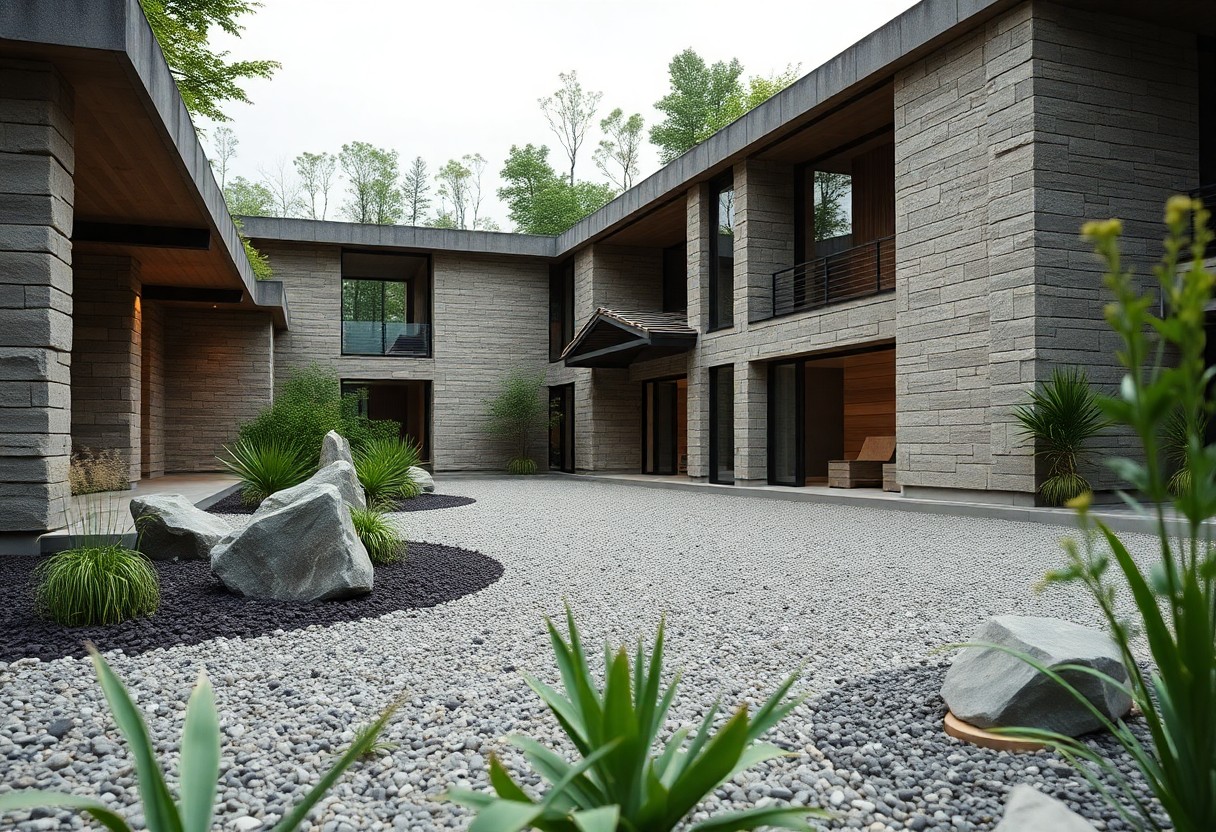
Ecological Benefits of Lithogenic Materials
You can significantly enhance your construction projects by incorporating lithogenic materials, which naturally promote environmental sustainability. These materials, derived from geological processes, offer a range of ecological advantages that help preserve natural ecosystems, reduce waste, and create healthier built environments.
Natural Resource Conservation
About incorporating lithogenic materials in your construction projects allows for the conservation of crucial natural resources. By using locally sourced materials, you reduce the need for resource extraction and transport, which not only saves energy but also minimizes the ecological footprint associated with construction activities.
Reduction of Carbon Footprint
One significant advantage of using lithogenic materials is the reduction of your project’s carbon footprint. By opting for these naturally occurring substances, you contribute to lower greenhouse gas emissions throughout the construction process.
For instance, lithogenic materials such as recycled aggregates and natural stones often have a much smaller carbon footprint than conventional construction materials. Their production typically requires less energy and results in lower emissions, making them an eco-friendlier choice. Furthermore, utilizing these materials reduces reliance on energy-intensive manufacturing processes, allowing your project to align better with sustainability goals and initiatives.
Enhancing Structural Performance
Some of the most significant benefits of incorporating lithogenic materials in construction lie in their ability to enhance structural performance. These materials contribute to increased load-bearing capacity and resistance to various environmental stresses, ensuring your structures maintain integrity over time. By utilizing such durable components, you not only improve the lifespan of your buildings but also reduce the need for frequent repairs, promoting sustainability in construction practices.
Durability and Longevity
By integrating lithogenic materials into your construction projects, you can significantly improve durability and longevity. These materials are resistant to wear, moisture, and temperature fluctuations, providing a more robust solution for your structures. As a result, your investment yields returns in the form of reduced maintenance costs and prolonged lifespan, benefiting both the environment and your finances.
Thermal and Acoustic Properties
After applying lithogenic materials in your construction, you will notice enhanced thermal and acoustic properties. These materials naturally insulate against temperature fluctuations while minimizing sound transmission, creating a comfortable living or working environment. This means less reliance on artificial heating and cooling systems, promoting energy efficiency and contributing to a more sustainable future.
Longevity in thermal and acoustic properties allows for significant advantages in energy management and comfort within your spaces. When you opt for lithogenic materials, you are investing in a more stable indoor climate that reduces your heating and cooling costs. Additionally, the natural soundproofing qualities can create quieter environments, enhancing the quality of life for occupants. Such benefits demonstrate that technical performance is not merely about structural integrity; it also encompasses energy efficiency and occupant comfort, ultimately adding significant value to your construction projects.
Economic Advantages
All construction projects can significantly benefit from the incorporation of lithogenic materials, as these resources not only promote sustainability but also positively impact the economy. Utilizing local materials enhances resource efficiency, reduces transportation costs, and minimizes the carbon footprint, ultimately leading to economic gains for both developers and communities.
Cost-effectiveness
Against the backdrop of rising global material costs, using lithogenic materials can be a cost-effective alternative. These materials are often readily available in local settings, which reduces transportation expenses and reliance on imported goods. Furthermore, their durability can lead to lower maintenance costs over time, offering long-term savings for your construction projects.
Job Creation in Local Industries
To further enhance the economic landscape, integrating lithogenic materials into your construction projects fosters job creation within local industries. By sourcing these materials from local providers, you not only support community businesses but also contribute to a robust job market.
Due to the demand for lithogenic materials, local industries often expand their operations, resulting in increased employment opportunities. This growth can lead to a variety of roles, ranging from extraction and processing to transportation and distribution. By choosing these materials, you help stimulate your local economy and ensure that your construction efforts benefit the surrounding community.
Case Studies in Sustainable Construction
Now, let’s explore several notable case studies where lithogenic materials have been effectively implemented in construction:
- 1. The Bosco Verticale in Milan, Italy: Utilized over 9,000 trees and 90 species of plants, improving air quality significantly.
- 2. The Eden Project in Cornwall, UK: Features geodesic domes made from geologically sourced materials, reducing carbon footprint by 30%.
- 3. The Huzhou Zhonghushan Bamboo Hotel in Huzhou, China: Combines bamboo and stone materials, achieving a 40% reduction in waste.
- 4. The National Library of New Zealand: Incorporates recycled lithogenic materials, enhancing energy efficiency while achieving LEED Platinum certification.
Successful Projects Using Lithogenic Materials
Below are examples of successful projects that have harnessed the ecological advantages of lithogenic materials, showcasing innovative approaches to sustainable construction.
Lessons Learned and Best Practices
Around these projects, valuable lessons have emerged that can guide your future construction endeavors. Understanding the integration of lithogenic materials is not just about selecting the right resources; it also involves understanding their long-term ecological impacts.
Using these insights, you can adopt best practices such as sourcing local materials to minimize transportation emissions, assessing the ecological benefits of various lithogenic options, and engaging with communities for sustainable resource use. Furthermore, conducting lifecycle assessments can give you clearer data on environmental impacts, facilitating strategic decision-making that aligns with sustainable building goals.
Challenges and Considerations
Not every project can seamlessly incorporate lithogenic materials, as you may encounter challenges such as compatibility with existing building standards, structural integrity, and material behavior over time. It’s important to evaluate the specific requirements of your construction project and conduct thorough assessments to ensure that the integration of these materials will be beneficial and efficient.
Material Sourcing and Supply Chain Issues
Around the world, sourcing lithogenic materials can present challenges, including variability in availability and quality. You may face difficulties in finding reliable suppliers who can provide consistent materials that meet your project’s unique specifications. Additionally, transportation logistics can complicate the supply chain, potentially impacting project timelines and budgets.
Regulatory and Environmental Implications
Environmental policies and regulations significantly influence the use of lithogenic materials in construction. You need to be aware of local, regional, and national guidelines that govern material extraction, usage, and waste management. Compliance with these regulations not only ensures your project adheres to legal requirements but also fosters a commitment to sustainable practices.
Due to varying regulations, you must assess how the sourcing and utilization of lithogenic materials align with environmental preservation efforts. Many jurisdictions have implemented strict guidelines to mitigate the impacts of material extraction on ecosystems. It’s necessary to engage with local environmental agencies to understand these regulations, ensuring your project remains within compliance while promoting sustainability. Keeping informed will help you make responsible choices about materials that support ecological integrity and long-term environmental health.
To wrap up
Now that you understand the ecological benefits of incorporating lithogenic materials in construction, you can appreciate how these materials enhance sustainability, reduce carbon footprints, and improve energy efficiency in your building projects. By choosing to use locally sourced, durable lithogenic options, you contribute to biodiversity preservation and resource conservation. Ultimately, this choice not only meets modern construction standards but also fosters a healthier environment for future generations, aligning your projects with global sustainability goals.
