 Skip to content
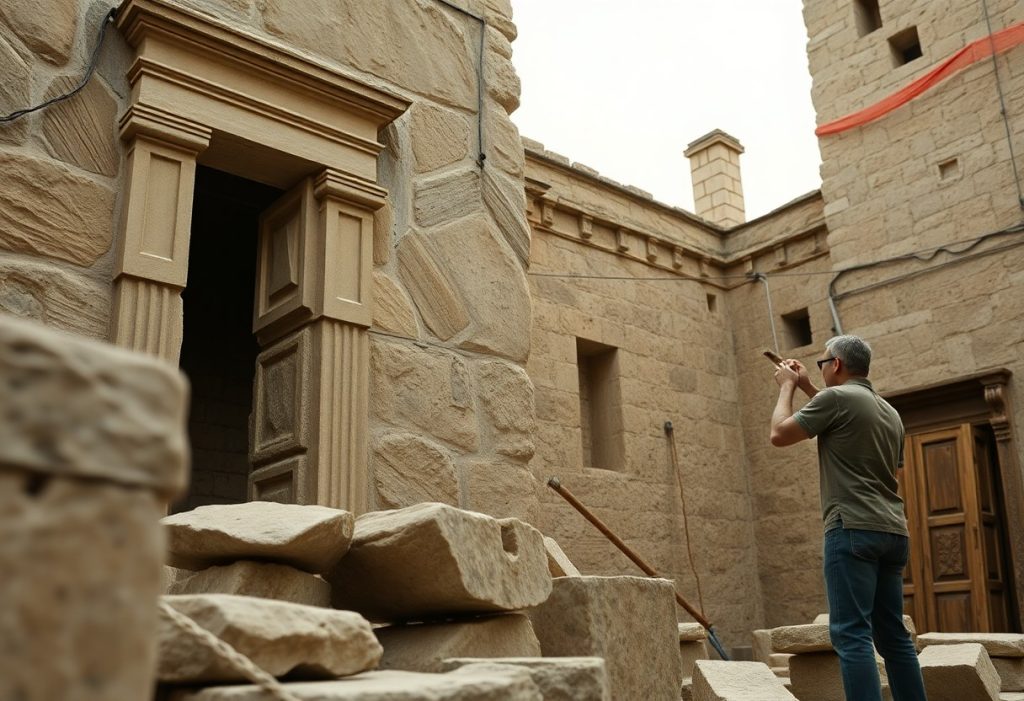
You might not realize it, but fossiliferous limestone plays a significant role in the preservation and restoration of historical structures. This unique sedimentary rock, which contains fossilized remains of ancient marine life, not only enhances the aesthetic value of buildings but also contributes to their structural integrity. Understanding its properties and applications can help you appreciate the meticulous efforts involved in restoring historic sites, ensuring their legacy endures for future generations. This blog post will explore the importance of fossiliferous limestone in your next restoration project, detailing its benefits and considerations.
The Geological Significance of Fossiliferous Limestone
To understand the geological significance of fossiliferous limestone, you should recognize its role as a significant sedimentary rock. This rock formation serves as a vital record of Earth’s history, capturing a variety of marine life that existed millions of years ago. As you examine fossiliferous limestone, you’ll find evidence of past environments, giving insights into ancient ecosystems and climatic conditions.
Formation and Composition
For fossiliferous limestone to form, it necessitates specific conditions, primarily in marine settings where organic material accumulates. Composed mainly of calcium carbonate, it often includes fossils embedded within its matrix. These fossils provide you a window into the biological diversity that once thrived in these environments.
Historical Abundance and Distribution
Distribution of fossiliferous limestone can be found across various geological formations around the world. This rock type is predominantly located in areas that were once shallow seas, allowing you to trace the evolution of marine life throughout geological time. Each location tells a story, aiding your understanding of Earth’s geological narrative.
Formation of fossiliferous limestone typically occurs in warm, shallow marine environments where sediments accumulate over time. As layers of calcium carbonate and organic material build up, you can see how these deposits fossilize, preserving a snapshot of life from specific geological periods. The abundance of fossiliferous limestone in regions like the Midwest United States or parts of Europe illustrates a historical consistency in marine habitats, providing you valuable information for both geological studies and historical restorations.
Properties of Fossiliferous Limestone
One of the defining characteristics of fossiliferous limestone is its composition, which includes fragments of marine organisms. This sedimentary rock is primarily made of calcite, giving it durability and versatility. You will find that its porosity and permeability allow for effective drainage, making it an excellent choice for various applications in restoration projects. Additionally, its unique formation can provide valuable insights into historical geological environments, adding depth to your restoration narrative.
Aesthetic Qualities
Fossiliferous limestone boasts a captivating appearance that enhances any restoration project. The embedded fossils, often visible to the naked eye, create a textured surface that tells a story of geological history. This natural beauty not only attracts attention but also provides a unique aesthetic that integrates well with various architectural styles. When you incorporate fossiliferous limestone, you enrich your project with an organic touch that connects with the past, making it visually stunning.
Structural Integrity
Limestone is known for its robust structural qualities, making it an ideal material for restoration. Its strength and durability provide excellent support for restoration projects, ensuring longevity and stability. You can rely on fossiliferous limestone to withstand environmental factors while maintaining its aesthetic appeal. This resilience allows for your restoration efforts to achieve a balance between beauty and functionality.
The structural integrity of fossiliferous limestone stems from its tightly bonded mineral composition, mainly calcite, which endows it with impressive compressive strength. This feature not only aids in supporting load-bearing applications but also makes it less prone to cracking and erosion over time. In your restoration projects, using fossiliferous limestone can provide confidence in the longevity and stability of both the materials and structures you are working on.
Applications in Historical Restoration
Assuming you are involved in a historical restoration project, fossiliferous limestone is a valuable asset. This natural stone not only serves aesthetic purposes but also offers structural integrity. Its unique texture and fossil imprints connect modern buildings to their geological past, providing authenticity to restoration efforts. Its adaptability in various environmental conditions makes it a preferred choice among architects and restorers alike.
Use in Architecture
With its distinctive appearance and durability, fossiliferous limestone is widely used in architectural designs for historical buildings. It harmoniously blends into both classical and modern structures, enabling you to maintain historical accuracy while incorporating contemporary elements. The stone’s natural fossils can also serve as unique decorative features, further enriching your restoration project.
Preservation Techniques
Beside its application in architectural design, fossiliferous limestone requires specialized preservation techniques to ensure longevity. Proper cleaning, sealing, and routine maintenance are important for preventing weathering and biological growth, which can deteriorate the stone. Understanding these techniques enhances your ability to protect and maintain the integrity of your restoration work.
Consequently, adopting effective preservation techniques can significantly extend the lifespan of fossiliferous limestone in your restoration endeavors. Regular inspections allow you to identify any issues early on, while appropriate cleaning methods can eliminate dirt and stains without damaging the stone. Sealing the limestone with an appropriate protective coating further safeguards it against moisture and pollutants. By implementing these strategies, you ensure your restoration project not only looks authentic but also stands the test of time.
Case Studies of Restoration Projects
Your understanding of fossiliferous limestone’s significance in historical restoration projects can be enhanced by examining various case studies:
- The restoration of the White House, where fossiliferous limestone from Virginia was used for structural integrity and aesthetic continuity.
- The renovation of China’s Forbidden City, incorporating fossiliferous limestone sourced from local quarries to preserve the original architecture.
- The restoration of the Tower of London, utilizing fossiliferous limestone to maintain historical accuracy in rebuilding elements of the structure.
- The construction of the National Cathedral in Washington, D.C., which features fossiliferous limestone as a key building material.
Notable Historical Sites
Around the world, fossiliferous limestone has been a fundamental component in notable historical sites, providing both structural support and aesthetic appeal. Examples include ancient Roman structures like the Colosseum and the Parthenon, where fossiliferous limestone sourced from specific quarries played a significant role in their enduring beauty and resilience, allowing historic preservation efforts to remain true to their original splendor.
Impact on Cultural Heritage
Before examining the impact of fossiliferous limestone on cultural heritage, it’s necessary to recognize its role in restoration efforts. This material not only helps preserve architectural integrity but also fosters a deeper appreciation for the historical context of these sites.
Impact factors of fossiliferous limestone in cultural heritage extend beyond mere aesthetics. By employing this geological material in restoration, you contribute to the continuity of historic narratives and craftsmanship. Fossiliferous limestone tells a story of geological processes and ancient ecosystems, enriching the visitor’s experience and fostering a connection to the past. This material embodies the confluence of nature and human artifice, enhancing heritage value while addressing conservation challenges effectively.
Challenges and Considerations
Keep in mind that using fossiliferous limestone in historical restoration projects comes with its own set of challenges. Factors such as the stone’s natural variability, weathering effects, and the surrounding environment can influence its effectiveness. Additionally, matching the texture and color of original stones may be complex, requiring expert assessment and careful selection to maintain architectural integrity. It’s crucial to consider these factors carefully to ensure a successful restoration outcome.
Material Sourcing and Sustainability
Above all, sourcing fossiliferous limestone sustainably is crucial for historical restoration projects. You should consider local supply options to reduce transportation impacts and ensure that the materials used are ethically harvested. This approach not only supports the environment but also helps to maintain the authenticity of historical sites by using local materials that are characteristic of the region.
Conservation Issues
Between the concerns of sourcing and sustainability, conservation issues arise when restoring structures. You must be aware of potential damage to fossiliferous limestone caused by modern environmental conditions, poor restoration techniques, or unsuitable materials that can lead to irreversible harm. Careful evaluation and a tailored approach are required to address these issues effectively, ensuring that restoration efforts preserve the historical integrity of the structure.
Conservation of fossiliferous limestone involves a deep understanding of both its geological composition and historical context. You must assess existing damage properly and choose restoration techniques that are sensitive to the stone’s unique properties. Furthermore, it’s important to collaborate with conservation specialists who can recommend appropriate cleaning, repairing, and weatherproofing methods. These strategies not only protect the stone but also honor its historical significance, ensuring that future generations can appreciate the legacy of the structures you help restore.
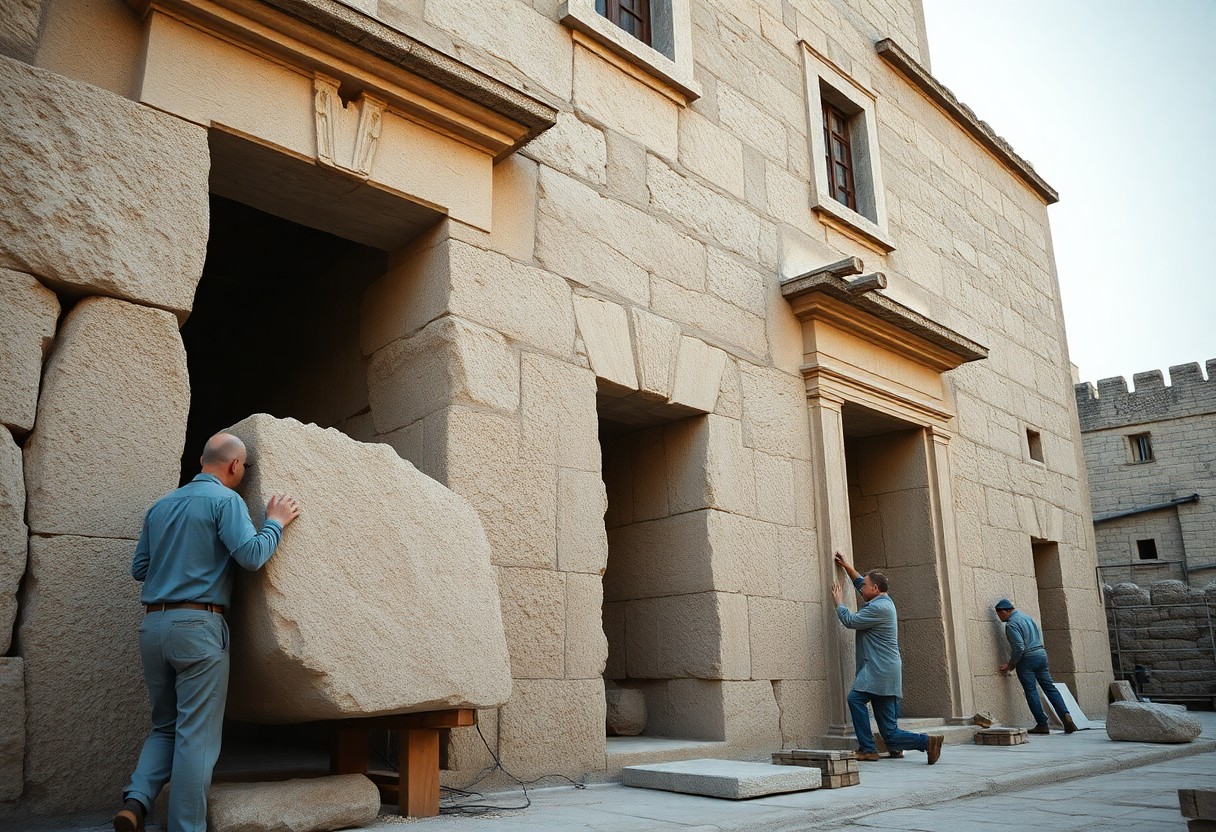
Future Directions in Restoration Practices
After observing the evolving landscape of historical restoration, it’s clear that fossiliferous limestone will continue to play a significant role. As the need for sustainable practices grows, you can expect innovations leveraging this natural resource while continuing to preserve historical authenticity. By understanding the interplay between traditional methods and modern advancements, you can enhance your approach to restoration projects while ensuring the longevity of these precious artifacts.
Technological Innovations
One of the most exciting developments in restoration practices involves technological innovations that enhance the use of fossiliferous limestone. Advanced imaging and analysis techniques allow you to assess the material’s integrity with precision. These innovations not only help you select the best samples but also facilitate more effective repairs, ensuring that your restoration efforts meet both aesthetic and structural standards.
Integrating Modern Techniques
About integrating modern techniques into your restoration projects, you can transform how fossiliferous limestone is utilized. By combining traditional craftsmanship with modern technology, you gain the ability to address complex restoration challenges more effectively. This approach enables you to streamline processes, reduce waste, and preserve the historical context of the site.
Technological advancements, such as 3D modeling and digital mapping, empower you to visualize restoration plans in detail. By integrating these methods with traditional restoration techniques, you can ensure that your projects maintain historical accuracy while embracing contemporary frameworks. Ultimately, this fusion of past and present opens new avenues for restoration, enabling you to tackle ambitious projects with greater confidence and skill.
Final Words
Drawing together the insights on fossiliferous limestone, you can appreciate its significance in historical restoration projects. Its unique composition enables you to maintain architectural authenticity while blending naturally into ancient structures. By opting for this resource, you ensure that your restoration efforts not only preserve the aesthetic integrity of historical sites but also foster educational value about geological history. Engaging with fossiliferous limestone allows you to honor the past while contributing to sustainable preservation practices for future generations.
