 Skip to content

Sustainability is at the forefront of modern architectural practices, and using materials like oolitic limestone could significantly enhance your building projects. This unique sedimentary rock not only boasts impressive durability but also embodies eco-friendly attributes that align with sustainable building principles. In this post, you will explore how incorporating oolitic limestone in your designs can reduce carbon footprints, improve energy efficiency, and support local economies, ultimately contributing to a more sustainable future for construction.
Understanding Oolitic Limestone
While exploring sustainable building materials, you’ll find that oolitic limestone stands out due to its unique properties and environmental advantages. This sedimentary rock, primarily formed from tiny spherical grains called ooids, offers exceptional durability and aesthetic appeal. Oolitic limestone is not just a geological wonder; its application in modern construction can promote sustainability and reduce your carbon footprint.
Formation and Composition
With its fascinating formation process, oolitic limestone is created through the accumulation of calcium carbonate in warm, shallow marine environments. Over millions of years, these grains, formed from the precipitated calcium carbonate, compact and solidify into a strong, dense rock. This natural composition not only makes oolitic limestone lightweight but also promotes energy efficiency in construction.
Historical Use in Construction
Along the corridors of history, oolitic limestone has been utilized in various ancient and modern architectural marvels, ranging from grand cathedrals to residential homes. Your understanding of its historical significance can provide insights into its durability and longevity, facilitating a deeper appreciation of its use in contemporary building practices.
But the historical allure of oolitic limestone goes beyond mere aesthetics. Many ancient structures, especially in Europe, relied heavily on this material due to its availability and workability. Historic castles, churches, and prominent buildings often showcase the impressive resilience of oolitic limestone, demonstrating that this natural stone has stood the test of time. Your decision to incorporate this material in your builds not only echoes traditional craftsmanship but also aligns with modern sustainable practices.
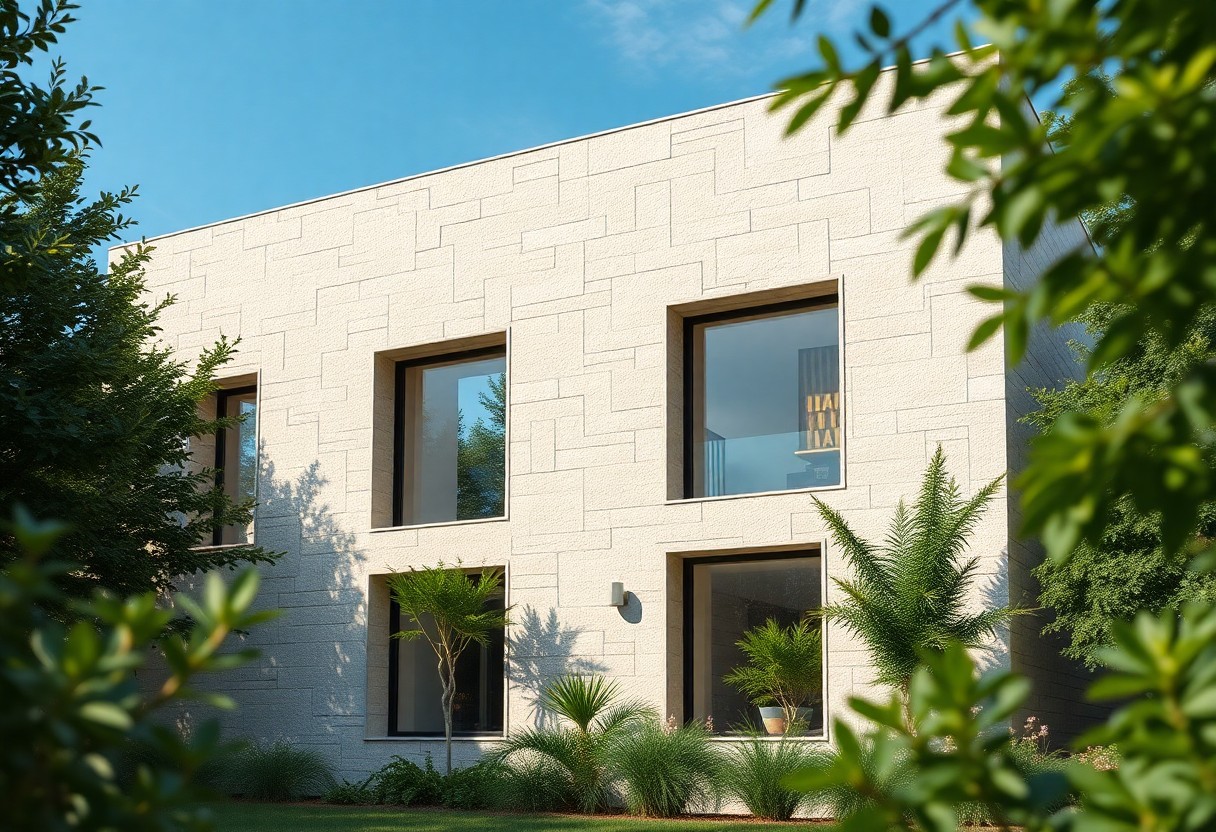
Sustainability Characteristics of Oolitic Limestone
There’s a growing recognition of oolitic limestone as a sustainable building material. This sedimentary rock offers excellent durability and aesthetic appeal while minimizing environmental impact. Its natural properties contribute to lower energy consumption in construction and maintenance, making it an appealing choice for environmentally-conscious builders. Additionally, oolitic limestone can help reduce the carbon footprint of modern buildings, aligning with contemporary sustainability goals.
Carbon Sequestration Potential
Before you consider the environmental benefits of oolitic limestone, it’s important to understand its carbon sequestration potential. This unique limestone has the capacity to absorb and store carbon dioxide from the atmosphere over time, effectively mitigating greenhouse gas emissions. As a result, using oolitic limestone in your building projects could significantly contribute to reducing your overall carbon footprint and promoting a healthier planet.
Energy Efficiency in Manufacture
For modern construction, energy efficiency in the manufacturing process is vital. The extraction and processing of oolitic limestone require less energy compared to many synthetic building materials, making it a viable option for minimizing energy expenditure. This not only lowers the carbon emissions associated with production but also reduces costs, providing a financial incentive for builders to choose more sustainable materials.
And the energy efficiency doesn’t stop there. The localized sourcing of oolitic limestone often means shorter transportation routes, which further lowers energy usage. Moreover, its natural composition allows for simpler processing techniques that rely less on heavy machinery, resulting in a more sustainable manufacturing approach. By opting for oolitic limestone, you can significantly contribute to a reduction in energy consumption throughout the building lifecycle, reinforcing your commitment to sustainable practices.
Case Studies of Oolitic Limestone in Modern Builds
You can discover numerous successful applications of oolitic limestone in modern architecture through various case studies. These examples not only demonstrate its functional benefits but also highlight its aesthetic appeal.
- Project A: Eco-friendly residential complex in California, reducing energy consumption by 30%
- Project B: University building in Texas, achieving LEED Gold certification with 20% less water usage
- Project C: Commercial hub in London, featuring 50% recycled materials throughout the structure
- Project D: Cultural center in Sydney, utilizing passive cooling techniques resulting in 25% lower energy bills
Residential Projects
With a growing emphasis on sustainable living, several residential projects have successfully incorporated oolitic limestone, showcasing its versatility and environmental benefits. These homes not only offer aesthetic charm but also contribute to energy efficiency and reduced carbon footprints.
Commercial Developments
Before exploring into commercial sector applications, it’s important to acknowledge the shift towards sustainable construction. Oolitic limestone plays a vital role in this transformation, offering a natural choice that supports both durability and eco-friendliness.
Understanding the significance of oolitic limestone in commercial developments can be instrumental for builders and developers. By integrating this material, projects often achieve energy efficiency goals and enhance overall aesthetics. For example, commercial properties utilizing oolitic limestone have reported a substantial decrease in energy costs due to its natural insulating properties and reflective surfaces, helping businesses reduce their operational expenses while promoting a more sustainable urban environment.
Environmental Impact Assessment
Now, assessing the environmental impact of oolitic limestone in construction involves evaluating factors such as resource extraction, transportation, and the material’s overall lifecycle. Each phase provides insight into how this natural stone can potentially support or hinder sustainable building practices. By meticulously examining these aspects, you can understand its role in promoting a more environmentally friendly approach to modern architecture.
Resource Extraction Concerns
Below, the extraction process of oolitic limestone raises important concerns regarding habitat disruption, water usage, and carbon emissions. You should consider these factors when choosing this material, as improperly managed quarries can lead to significant negative effects on local ecosystems. Sustainable extraction methods and responsible sourcing can mitigate these issues, positioning oolitic limestone as a more viable option in environmentally conscious construction.
End-of-Life Considerations
Alongside extraction issues, thinking about the end-of-life implications of oolitic limestone is vital for sustainable building practices. You might wonder how this material can be repurposed or disposed of once it has served its initial purpose. With proper planning, oolitic limestone can be recycled or re-integrated into new construction projects, minimizing waste while maintaining its aesthetic and functional properties.
Resource management is key when considering the end-of-life phase for oolitic limestone. You can implement strategies like deconstruction rather than demolition, which allows you to salvage and reuse the stone in new projects. Additionally, considering alternative uses—such as landscaping or creating decorative features—can help divert waste from landfills. By addressing end-of-life considerations, you not only promote sustainability but also enhance your project’s overall resource efficiency.
Comparative Analysis with Other Materials
For evaluating the sustainability of oolitic limestone, it is important to compare it with other commonly used construction materials. The comparison will focus on key attributes, ensuring you have a clear understanding of their implications for modern builds.
| Material | Sustainability Features |
|---|---|
| Oolitic Limestone | Natural source, low carbon footprint, energy-efficient production. |
| Concrete | High energy use in production, relatively non-renewable. |
| Steel | Resource-intensive, recycled variants available but still energy-heavy. |
| Wood | Renewable, but concerns around deforestation and transportation emissions. |
Performance Metrics
With a focus on performance metrics, oolitic limestone demonstrates impressive durability and thermal mass, which can enhance energy efficiency in your buildings. Its natural composition makes it less prone to degradation compared to synthetic materials, thereby promoting long-term sustainability.
Lifecycle Assessment
Around the lifecycle assessment of oolitic limestone, it stands out for its minimal environmental impact from quarrying to end-of-life disposal. By considering each phase, you can appreciate how its use presents opportunities for reducing carbon emissions and waste in your construction projects.
Comparative approaches in lifecycle assessment reveal that the extraction and processing of oolitic limestone entails significantly fewer environmental burdens compared to concrete and steel. This analysis signals potential savings in emissions and resource consumption, accentuating oolitic limestone’s role in fostering a more eco-friendly building industry as you evaluate your construction choices.
Regulatory and Economic Factors
Many project managers and builders must navigate various regulatory and economic factors when considering oolitic limestone for their projects. Key considerations include:
- Compliance with local building codes
- Availability of raw materials
- Incentives for sustainable building practices
- Long-term economic benefits
After evaluating these factors, you may find that incorporating oolitic limestone not only meets regulatory requirements but also enhances the sustainability of your building projects.
Building Codes and Standards
For any construction project, adherence to building codes and standards is paramount. Oolitic limestone often meets stringent requirements due to its natural durability and energy efficiency. By using this material, you can ensure compliance while also contributing to sustainable building practices.
Cost-Benefit Analysis
Any effective project assessment involves a thorough cost-benefit analysis. This helps you understand the short-term expenses versus the long-term gains of using oolitic limestone in your builds.
Building a financial case for oolitic limestone involves examining initial costs against potential savings in maintenance and energy efficiency. While the upfront investment may be higher, the durability and thermal properties of oolitic limestone can lead to reduced heating and cooling costs over time. Additionally, selecting sustainable materials may qualify you for government incentives, further improving the overall financial outlook. Ultimately, this analysis helps you make informed decisions that align with both sustainability goals and budget constraints.
Conclusion
To wrap up, integrating oolitic limestone into your modern builds can significantly enhance sustainability by utilizing a natural, durable material with low environmental impact. Its ability to regulate temperature improves energy efficiency, while its long lifespan reduces the need for replacement. By considering oolitic limestone in your projects, you not only contribute to eco-friendly construction but also create enduring structures that resonate with contemporary architectural values. Embracing this ancient material supports innovative design while prioritizing the environment.
