 Skip to content

With its unique textures and earthy tones, tufa limestone offers a captivating aesthetic that significantly impacts your design choices. This distinctive stone, formed by mineral-rich springs, not only enhances the beauty of your spaces but also serves as a versatile material in various applications, from flooring to architectural features. Understanding how the visual qualities of tufa limestone influence your design decisions can lead to more cohesive and striking environments. Explore the characteristics of this remarkable stone and discover how it can transform your projects into stunning showcases of natural artistry.
Understanding Tufa Limestone
Before venturing into the aesthetic appeal of tufa limestone, it’s necessary to grasp what this unique material is and how it fits into the design landscape. Tufa limestone is a porous, sedimentary rock primarily composed of calcium carbonate. Frequently found near freshwater springs and lakes, this stone creates striking natural formations that can enhance any design element when embraced for architectural and landscaping projects.
Formation and Characteristics
Tufa forms through a process of mineral precipitation where calcium carbonate comes out of solution, typically facilitated by living organisms, such as plants and algae. This results in layered deposits that grant the stone a distinctive texture and coloration. The porous nature of tufa not only allows for excellent drainage but also makes it lightweight and easy to work with, all desirable traits in design settings.
Historical Significance
Among its many attributes, tufa limestone holds significant historical value across various cultures. Civilizations, such as the ancient Romans and Greeks, have utilized this versatile stone for construction, sculpture, and decorative elements. Your appreciation for tufa can be enriched by understanding its historical applications, where it played an necessary role not only in buildings but also in creating stunning artworks.
But it’s not just about aesthetics; tufa limestone’s historical significance extends to its role in architectural advancements. The Romans, for instance, valued tufa due to its light weight and workability, allowing for innovative designs that would not have been possible with heavier stones. By recognizing the rich history linked to tufa, you can better appreciate its place in modern design, infusing your projects with a sense of tradition and timelessness.
Aesthetic Qualities of Tufa Limestone
Even as a natural stone, tufa limestone presents an extraordinary blend of beauty and versatility. Its characteristics capture the imagination, offering diverse options for architects and designers. The unique formations, rich textures, and variety of colors elevate any space, making it a desirable choice for both interior and exterior applications. Your design palette becomes limitless when incorporating tufa limestone, highlighting its ability to harmonize with various styles while maintaining a distinct appeal.
Color and Texture
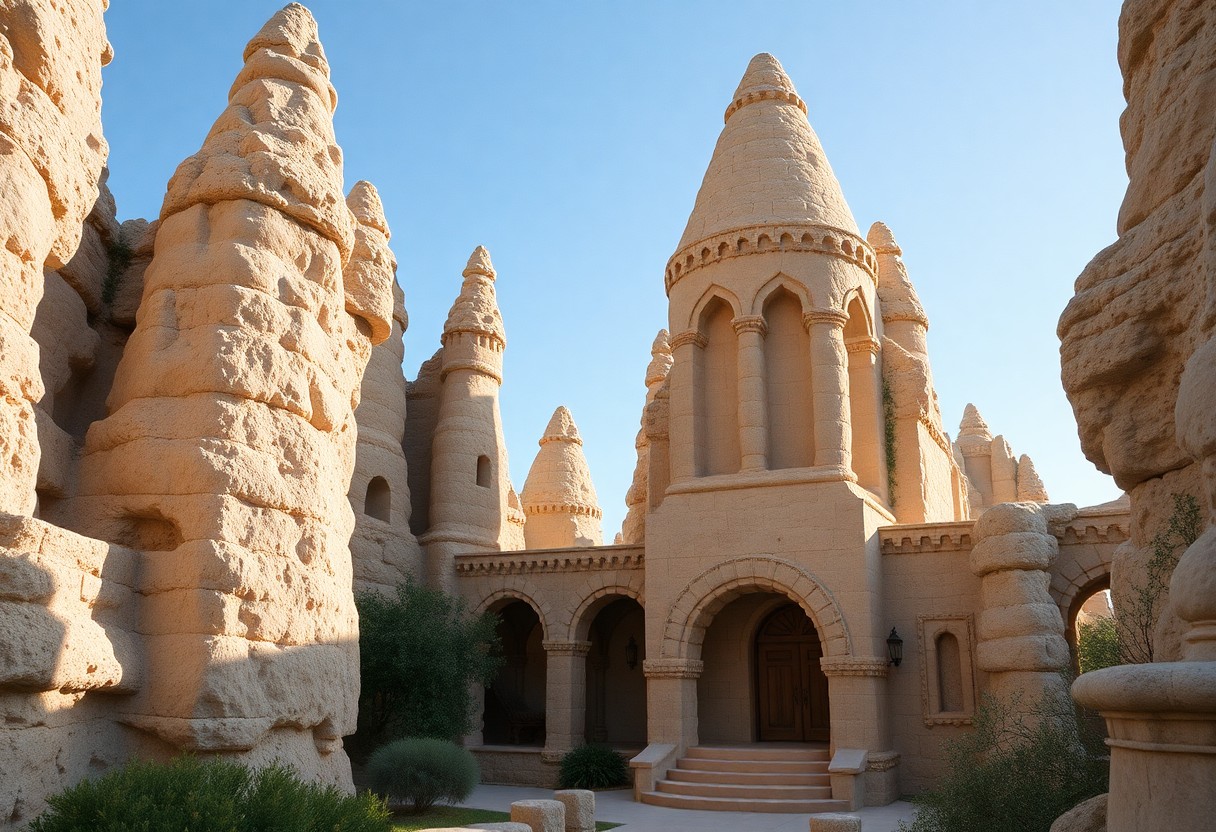
Before delving into the design implications, it’s vital to consider the color and texture of tufa limestone. This stone exhibits a variety of hues, ranging from soft whites and creams to warm browns and greys, allowing you to create a welcoming atmosphere. The texture adds an organic touch, with rough, porous surfaces that enhance tactile experience. Integrating these elements into your design can significantly affect the overall aesthetic and mood of the space.
Patterns and Variability
Texture plays an important role in the visual impact of tufa limestone. Its natural formation results in an array of patterns that can vary widely from one piece to another. You can expect to encounter swirling patterns, speckling, and irregular formations that lend an artisanal quality to your designs. This variability not only adds character but can also inspire creative layout solutions, leading to unique installations that reflect your individual style.
Consequently, incorporating tufa limestone into your design comes with the added benefit of embracing its patterns and variability. The distinctive formations can define spaces, highlighting features such as walls or countertops. Utilizing tufa limestone in focal points or as accent elements can captivate your audience and draw attention to the natural beauty within the stone itself. The unpredictability of its patterns ensures that each piece remains one-of-a-kind, making your design truly memorable and personal.
Application in Design
Some designers are drawn to the unique textures and colors of tufa limestone, integrating it into a variety of applications. This versatile stone can be used for everything from structural elements to decorative features. Its natural appeal lends itself well to both contemporary and traditional designs, making it a valuable resource for creating captivating spaces.
Architectural Uses
Against a backdrop of conventional materials, tufa limestone offers an organic alternative that can redefine your architectural vision. Its lightweight and porous nature makes it easy to work with, while its aesthetic qualities bring warmth and character to various design elements, including facades, columns, and accents.
Landscape and Garden Design
To enhance your outdoor space, incorporating tufa limestone can transform your garden into a serene retreat. Its natural beauty provides a harmonious contrast to vibrant greenery, allowing you to create stunning pathways, seating areas, and decorative borders.
Plus, the porous nature of tufa limestone allows it to retain moisture, making it an excellent choice for garden features like stone walls or ponds. Its unique formations can create focal points in your landscape, while its varying shades complement the colors of plants and flowers, resulting in a cohesive and inviting environment. You can use tufa limestone to sculpt naturalistic gardens, enhancing the overall ambiance of your outdoor oasis.
Environmental Considerations
Once again, you must consider the environmental implications of using tufa limestone in your designs. This natural material, while aesthetically pleasing, can have a range of effects on its surrounding environment. By assessing these factors early in the design process, you can ensure that your choices contribute positively to both visual appeal and ecological balance.
Sustainability of Tufa Limestone
By choosing tufa limestone, you engage with a material that is not only beautiful but also sustainable. Its formation process involves natural deposits and mineral spring activity, ensuring that when you use it, you are opting for a resource that minimizes environmental impact compared to synthetic alternatives.
Impact on Local Ecosystems
One important aspect to consider is the potential impact of tufa limestone on local ecosystems. Your design choices can affect local flora and fauna, particularly if significant portions of tufa deposits are disturbed. Understanding these dynamics helps you maintain a landscape that harmoniously coexist with its natural surroundings.
With the extraction and utilization of tufa limestone, you should evaluate how it interacts with local ecosystems. The disturbance of natural habitats can lead to shifts in local biodiversity and water flow patterns. By being mindful of these factors, you can work toward designs that not only enhance the aesthetic quality of your environment but also support the ecological integrity of the area. Sustainable practices in sourcing and applying tufa limestone will ensure that your design choices are responsible and beneficial for the environment.
Case Studies and Examples
Now, understanding how tufa limestone enhances design choices can be illustrated through a variety of case studies:
- The Kitchen Garden at the Royal Botanic Gardens, Kew, featuring tufa limestone pathways that promote natural drainage and aesthetic charm.
- Château de Gruyères in Switzerland, where tufa limestone’s unique textures enhance the historic architecture.
- Tufa stone walls at the University of California, demonstrating its sustainability and thermal properties.
- Modern residential homes in Tuscany, with tufa used in facades, enhancing the rustic appeal while blending harmoniously with the surroundings.
Notable Projects Utilizing Tufa Limestone
Notable projects that integrate tufa limestone include the Pavilion of the New World at Expo 2020, where its insulating properties create energy-efficient spaces. Similarly, the Green Roof Initiative in Berlin uses tufa for its lightweight structure and ability to support diverse plant life, contributing to urban biodiversity. Each of these examples underscores the material’s versatility and timeless beauty.
Regional Variations in Use
Limestone from different regions can exhibit significant variations in use due to local availability and aesthetic preferences.
Studies show that in Italy, tufa limestone is predominantly employed in both historical restoration and contemporary architecture, reflecting centuries of design influence and regional identity. Conversely, in France, tufa is often utilized in landscaping, showcasing its natural beauty in gardens and public spaces. In contrast, North American projects frequently emphasize tufa’s eco-friendly aspects, incorporating it into sustainable builds that align with modern green architecture trends. These regional variations highlight how cultural context shapes design choices, allowing you to draw inspiration from diverse applications of this versatile material.
Future Trends in Design
Keep an eye on how the aesthetic appeal of tufa limestone will continue to shape design choices in the coming years. As sustainability becomes increasingly important, natural materials like tufa will gain further traction in architecture and interior design. You can expect to see innovative ways to incorporate this unique stone into spaces, blending beauty with eco-conscious practices.
Innovations in Tufa Limestone Applications
Future applications of tufa limestone are set to push the boundaries of design. As technology advances, you may find new methods of utilizing this material in creative ways, from 3D printing to customized architectural elements. This opens up exciting opportunities for you to explore unique aesthetics while benefiting from tufa’s natural properties.
Influences of Modern Aesthetic Preferences
Applications of modern aesthetic preferences are increasingly evident in the design choices surrounding tufa limestone.
Tufa limestone’s organic appearance aligns beautifully with contemporary trends focused on natural, earthy materials. You might notice that designers are leaning towards warm textures and muted color palettes, favoring materials that evoke a sense of tranquility and harmony. As you explore different design options, consider how integrating tufa limestone can create a serene atmosphere while reflecting your personal style in both residential and commercial spaces.
Final Words
On the whole, the aesthetic appeal of tufa limestone significantly influences your design choices by offering unique textures, colors, and patterns that enhance the visual impact of your projects. As you explore this versatile stone, you’ll find that its natural characteristics can bring warmth and a sense of organic beauty to both indoor and outdoor spaces. By incorporating tufa limestone into your designs, you not only create an inviting atmosphere but also celebrate the natural environment, ensuring that your work resonates with elegance and authenticity.
